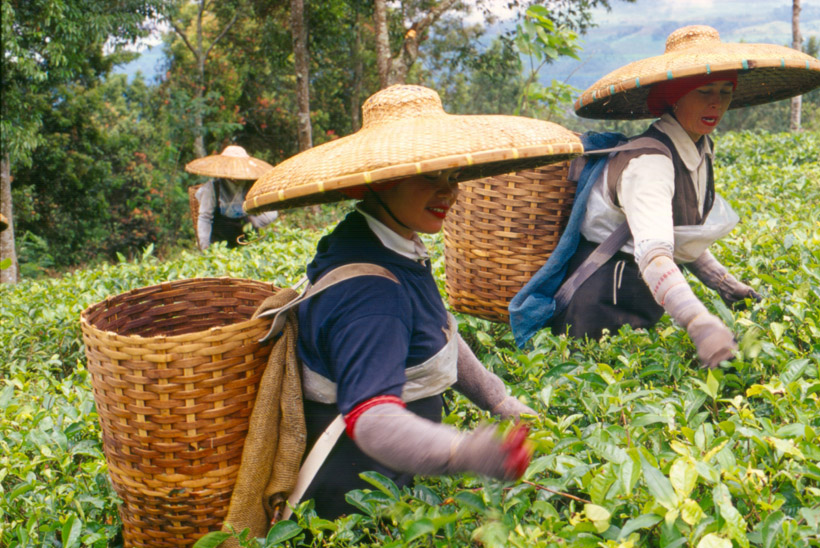
A couple of days ago people and organisations around the world were celebrating the International Day of Rural Women. I was one of them, with a blog about women rice farmers in West Java. We spoke of how women contribute up to 80% of food production in developing countries, how they are the main care giver at home and how they are increasingly empowered to lead change, advance equality and strengthen resilience in rural communities. It was a great day to champion great accomplishments. But there is always a morning after. And as the exuberance of the International Day of Rural Women subsides, we owe it to women and girls to acknowledge the less than champion treatment they receive and demand even greater women’s empowerment.
Let’s consider the situation in Indonesia.
Violence against women: A 2017 government survey found one in three Indonesian women had experienced violence in their lifetime, inflicted by their spouse or someone they knew. One study reported that the prevalence of lifetime exposure to sexual and physical violence was 22% and 11% among women in rural areas. Disturbingly, the rate of gender-based violence in Indonesia continues to increase. The World Health Organization says cases of violence against women in Indonesia increased 50% between 2020 and 2021.
Child marriage: According to UNICEF, one in nine Indonesian women marry before they turn 18, with girls in rural areas three times more likely to marry before age 18, hindering their schooling, job opportunities and economic development. Much worse, marrying too young exposes girls to exploitation, sexual violence, domestic abuse and death in childbirth. If there is any one single fact that challenges the narrative surrounding rural women’s independence, it is that most female teenage prostitutes are recruited and trafficked from rural areas.
Access to education: Although female students have relatively equal access to education, studies confirm that there is discrimination against the poor, women, and those in rural areas – especially when it comes to accessing quality education that will lead to equal employment opportunities. For rural students, the challenges include lack of transportation, adequate school facilities, staff attendance, and qualified trained teachers.
None of this is to suggest women’s empowerment is not on the Indonesian government’s agenda. It is. But reports suggest mainstreaming gender equity at all levels of government is blocked by a series of problems and challenges. Obstacles to empowering women include social and cultural barriers, limited resources and capacity, lack of coordination and monitoring and, critically, political will and leadership. One report argues that the major problem faced is the “the continuing occurrence of violence against women and vulnerable groups“.
Celebrating all that is good about the International Day of Rural Women is commendable. But we must also confront the stark realities. In Indonesia, violence against women remains a social plague in both rural and urban areas. Child marriage still happens too often, and it’s mostly in rural kampungs. Access to quality education remains unequal, hindering employment opportunities. While the government’s efforts to empower women face numerous obstacles, they must nevertheless persist with their efforts.
It has been said before, but it bears repeating. Empowering women is not only the right thing to do. It is the smart thing. Simply put, 50% of the population is female. When we don’t empower women, we are not making full use of the expertise, wisdom and skills available to build a better world.
 ECLECTIC ELECTRIC