By Greg Clough
As a kid living on the edge of Melbourne’s urban sprawl, I used to play in an old forest not far from home. Not sure if “forest” is the right word. It had trees. Well, some. They weren’t the climbing kind. Too stunted. And covered in thorny blackberries. As an adult, I visited the rainforests in east Kalimantan. They were the real thing. I thought of my childhood forest and wondered if it was as magnificent once upon a time. Maybe . . . in its own temperate way. But not all is lost when a forest turns bad. Fatigued, worn-out, broken secondary forests have a lot to offer in our struggle to improve people’s well-being and fight climate change. Here are a few suggestions.
#forestrestoration #forestmanagement
Secondary forests deserve reform school
Give a thought to secondary, degraded forests – those vibrant, virgin communities of soaring 500-year-old trees chopped down and left abandoned to a life of “crime”. Secondary forests are the bad boys at the back of the class, the rotten apple in the barrel. They’re the bad example primary forests will turn into if good behaviour doesn’t prevail. Lots of negative things are said about secondary forests.
Chainsaws have slashed and ravaged their rare flora and fauna, leaving them biodiversity urchins. Their fallen tall timber has removed the biomass that primary forests use to store carbon. Their floors are barren wastelands, devoid of fallen leaves, organic waste, and micro-organisms that make the topsoil fertile and less prone to washout. They’re a fire hazard, too, with their non-native, fast-growing grasses and trees igniting easily and spreading fire more quickly than forests with thicker canopies.
It seems not much good can be said about secondary forests. But that would be unfair. Much like their name, secondary forests need a second chance. Importantly, secondary forests have potential. Like the wayward teenager turned good, they can reform. Given the proper care and attention, a reformed secondary forest can provide many of the same ecosystem services as a primary forest, such as helping to mitigate climate change by better storing carbon.
So how can we bring this bad boy back into the fold? First, we need to identify areas with a high potential for recovery and prioritize restoration efforts focused on improving soil quality, increasing biodiversity, and planting appropriate native species. Next, we need to encourage natural regeneration by protecting existing seed sources of threatened species and removing the “bad influences”, those invasive species that compete for water, minerals, space and sunlight. And, as with any reform effort, it’s good to involve the community. The International Union for Conservation of Nature (IUCN) offers good advice on engaging the locals in ecosystem restoration. Get people out in the sunshine helping with restoration efforts. Get them discussing what ecological and socioeconomic benefits they want from their upgraded secondary forest. Good examples of community forest restoration are the WithOneSeed initiative in Timor Leste and a collaborative community and forestry department project in Karnataka, India.
These are just a few examples of how to give secondary forests another chance. Secondary forests don’t have to be all about dead trunks, burnt limbs and alien species. For some, they can be more about walking through the mottled, cooling shade of tall trees, kicking up rustling leaves and taking a selfie at a sun-kissed stream. For others, they can be about seeing wildlife return and familiar trees and plants rejuvenated and thriving, providing a source of food, medicine, and materials for their community. They can be about a restored home for their culture and way of life.
Fortunately, recognition of the importance of secondary forests has grown substantially over the past 20 years. They are not the bad boys they once were. The Bonn Challenge aims to restore 350 million hectares of the world’s degraded and deforested landscapes by 2030. Meanwhile, REDD+ programs like those from the Green Climate Fund are working hard to prevent primary forests from following in the miscreant footsteps of secondary forests.
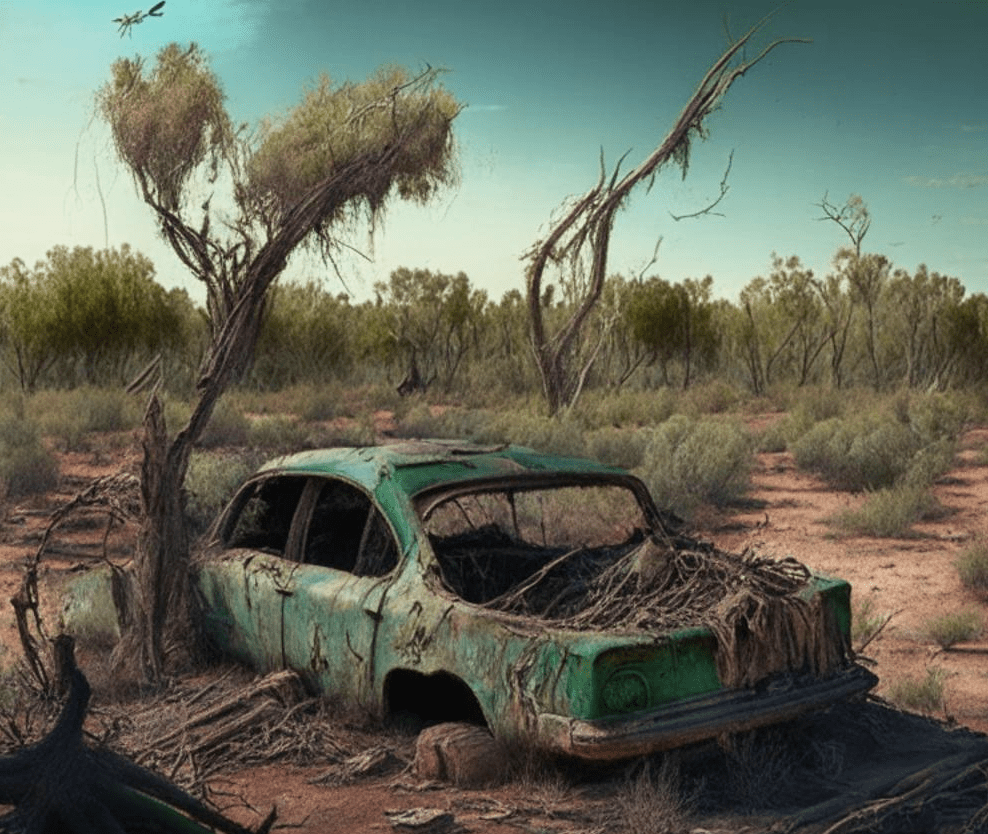
There will likely come a day when you find yourself walking through a piece of land littered with scraggy trees, patchy weeds, glass shards, rusting cans and perhaps a burnt-out car. It’s almost inevitable. A study by the University of Michigan found that around one billion people live within eight kilometres of land predicted to be suitable for forest restoration over the next 30 years. So, when that day comes, ask yourself: Does this secondary forest deserve a second chance? How would it look with a canopy and the sun peeping through, with grassy ground cover, a rainbow of green, and swaying shadows? Then ask yourself”: What would it take to bring this half-dead world back to life? What would it take to revitalize our planet, our climate?
Conservation International WWF Landcare Australia ReGeneration Society for Ecological Restoration (SER) Restore Our Planet Rainforest Alliance Green Climate Fund Ecological Restoration Institute at Northern Arizona University Commonland Global Environment Facility
© Greg Clough 2023
 ECLECTIC ELECTRIC